Things to Do in Belgium in May
May weather, activities, events & insider tips
Shoulder Season · Good Value
May Weather in Belgium
Temperature, rainfall and humidity at a glance
65°F (18°C)
High Temp
48°F (9°C)
Low Temp
2.4 inches (61 mm)
Rainfall
70%
Humidity
⚠ May weather in Belgium shifts with little warning. A sunny morning forecast can give way to afternoon cloud cover and drizzle as Atlantic systems move through, and temperature swings of 8-10°C (14-18°F) within a single day are not unusual. Always carry a waterproof layer regardless of the morning sky.
⚠ The UV index reaches 8 on clear May days despite the moderate air temperature, and the cool breeze off the North Sea creates a false sense of protection. Sunburn is a real risk during full-day outdoor excursions to battlefield sites or river valleys where shade is limited.
Is May Right for You?
Weigh the advantages and considerations before booking
Advantages
- + White asparagus season hits its peak in May, and the whole country treats it like an event. Restaurants across Flanders and Wallonia run special menus built around thick, pale stalks of asperges served with hollandaise, shaved Flemish ham, and crushed hard-boiled egg. You will smell butter browning in restaurant kitchens as you walk through the Patershol quarter in Ghent or along the cobbled lanes near the Sablon in Brussels. This food moment does not exist outside this six-week window. By late May it is already winding down.
- + Daylight stretches past 9:30 PM by the end of May, which reshapes how you experience Belgian cities entirely. The golden-hour light that hits the Gothic spires of Bruges's Belfort around 8 PM, or catches the gilded facades of Brussels's Grand-Place at a low angle after dinner, is worth the trip alone. You get three or four more usable hours than a winter visit. The outdoor terraces along Ghent's Graslei waterfront stay full and warm enough for a gueuze or kriek until well after sunset.
- + The cultural calendar stacks up in May without the July-August tourist saturation. The Procession of the Holy Blood in Bruges draws tens of thousands but still feels like a local civic event rather than a packaged attraction, and Brussels's Kunsten Festival des Arts fills theaters and performance spaces across the city with experimental and contemporary work. You are arriving during a window where Belgium is awake and performing. But not yet overwhelmed.
- + May sits squarely in the gap between Easter holiday crowds and summer peak season, which has real practical consequences. Accommodation in Bruges, which becomes difficult to book at reasonable rates in July and August, is still available with two or three weeks' notice. The queues at the Groeninge Museum or Antwerp's Cathedral of Our Lady tend to be manageable rather than punishing. The canal boats in Bruges carry half the passengers they will a month later.
Considerations
- − Belgian May weather is fickle in a way that can catch first-timers off guard. A morning that starts at 15°C (59°F) under clear skies can drop to 10°C (50°F) by mid-afternoon with a wind shift off the North Sea, and by evening you might be dealing with a chilly drizzle that was not in any forecast. The 10 rainy days in the monthly average do not distribute themselves neatly. You can get three bone-dry days followed by four grey ones. Locals carry layers as a reflex. You should too.
- − Public holidays cluster in May and have a knock-on effect on planning. Ascension Day and sometimes Whit Monday create long weekends when Belgian families travel domestically, to Bruges and the Ardennes. Hotel rates spike for those specific weekends, restaurant reservations tighten, and the motorway south toward Namur and Dinant slows to a crawl on Friday evenings. If your dates are flexible, midweek arrivals avoid this entirely.
- − The North Sea coast, which some travelers try to squeeze in during a May visit, is likely to disappoint. Water temperatures hover around 12°C (54°F) and the wind off the Channel cuts through anything short of a proper jacket. Ostend and Knokke-Heist have their charms for a seafood lunch. But the beach experience most people imagine does not materialize until late June at the earliest.
Best Activities in May
Top things to do during your visit
Belgium in May settles into a rhythm that winter visitors never witness. The maritime air softens to highs around eighteen degrees, cool enough for a linen jacket after sundown yet warm enough to sit on a canal-side terrace in Ghent or nurse a gueuze on a Brussels sidewalk without hunching against the wind. Daylight stretches past nine in the evening, and the low-angled northern sun turns the sandstone facades of the Grand-Place a warm amber that photographs beautifully but looks even better in person. Rain arrives on roughly a third of the days, usually as a quick grey curtain that sweeps through in twenty minutes and leaves the cobblestones gleaming, so a compact umbrella earns its place in every day bag. What shifts in May is where Belgians spend their time. Café owners drag tables onto sidewalks for the season's first serious outdoor service. The parks in Brussels fill with after-work picnickers spreading out on the lawns of Parc du Cinquantenaire, and in Bruges the horse-drawn carriages compete for space with cyclists who have finally reclaimed the Markt. The country's mood turns outward: restaurant kitchens pivot to white asparagus and North Sea grey shrimp, two seasonal ingredients that define spring menus from Antwerp brasseries to village estaminets in Wallonia. The countryside between Leuven and Liège is a patchwork of rapeseed fields, blazing yellow against dark soil, and the beech forests of the Ardennes have just leafed out into that electric, almost translucent green that lasts only a few weeks before deepening. Traveling in Belgium during May also means navigating a country that is compact enough to cross by train in under three hours yet varied enough to feel like three distinct territories. Flemish cities in the north hum with cycling culture, art nouveau architecture, and a beer scene that treats lambic brewing the way Burgundy treats pinot noir. Francophone Wallonia to the south trades flat polders for river valleys and forested plateaus, with an emphasis on terroir-driven cuisine. Brussels, wedged between them, stacks European Union bureaucracy next to Art Deco department stores, comic-book murals, and friteries that have been ladling sauce andalouse since the mid-twentieth century. May's mild, variable weather suits all three zones equally, and the shoulder-season timing means accommodation is easier to secure than in the July and August crush.

European Quarter Comedy Tour
entertainmentThe European Quarter Comedy Tour turns the glass-and-steel institutional district of Brussels, the one most visitors cross quickly on a metro transfer, into a stage for sharp, street-level stand-up. Comedians lead small groups past the European Parliament, the Berlaymont, and the Schuman roundabout, unpacking the absurdities of multinational bureaucracy with punchlines that land harder when you are standing in the shadow of the buildings they are skewering. The result is a walking show that makes you laugh while teaching you more about how the EU functions than most guided tours manage with a straight face.
It is the only tour in Brussels that turns the dry European institutional quarter into two hours of funny, surprisingly informative live comedy.
Insider tip: Book an evening session on a weekday when the quarter has emptied of commuters. The comedians play the eerie quiet of the deserted esplanades for bigger laughs, and you will have the sidewalks almost to yourselves.
This month: May's long twilight means the evening tours finish in that golden-hour glow that makes the glass facades of the Berlaymont look almost inviting.

Navigate through Brussels and Discover Beer and Chocolate
otherNavigate through Brussels and Discover Beer and Chocolate links two of Belgium's most serious craft traditions into a single walking route through the old city center. You move from a traditional chocolatier near the Galeries Royales Saint-Hubert, where the smell of roasting cacao hits the street, into dim-lit cellar bars pouring lambics and Trappist ales that you will not find bottled for export. The guide bridges the two worlds with production knowledge: how a praline's ganache filling mirrors the layered complexity of a barrel-aged kriek, and why Brussels tap lists rotate faster than anywhere else in the country.
It is a crash course in Belgium's two defining artisan traditions, delivered not in a classroom but across the actual workshops and taprooms where they are made.
Insider tip: Eat a light lunch before the tour. The chocolate tastings and beer pairings are generous enough to substitute for a late afternoon meal, and arriving hungry sharpens your palate for the subtler fermented-fruit notes in the lambic pours.

Brussels Private Family Tour: Highlights, Tasting and Museum
culturalThe Brussels Private Family Tour weaves highlights, tastings, and a museum stop into a single itinerary shaped around what holds children's attention, which in Brussels means comic-book murals, waffle stands, and the slightly scandalous story of Manneken Pis. The private format lets the guide calibrate pacing: lingering at the Musical Instruments Museum where kids can try on headphones at each exhibit, or cutting through the Sablon to a chocolatier that lets small hands dip their own pralines. Parents get the architectural context of the Grand-Place guild houses and a taste of aged abbey cheese. Children get the interactive, sensory version of the same city.
It is the rare family tour that does not dumb down Brussels but instead reframes its adult pleasures, from beer culture to Art Nouveau ironwork, through a lens that engages younger travelers.
Insider tip: Ask the guide to include the Comic Strip Route through the Marolles quarter. The large-scale Tintin and Lucky Luke murals painted directly onto building facades give kids a scavenger-hunt energy that keeps legs moving between museum stops.

Daily tour of Brussels Lower Town and Upper Town
guided_experienceThe Daily Tour of Brussels Lower Town and Upper Town traces the geological fault line that splits the capital in two, both physically and socially. You begin in the Lower Town at the Grand-Place, where the gold-leaf guild facades catch the morning light and the smell of fresh gaufres drifts from the surrounding alleys, then climb the steep Montagne de la Cour into the Upper Town's neoclassical judicial and royal quarter, where the air feels cooler and the noise drops away. The guide narrates the class tensions that the slope once enforced, merchants below and aristocrats above, and points out how traces of that division persist in everything from restaurant pricing to architectural detailing.
No other Brussels tour makes the vertical geography of the city so legible, turning a fifteen-minute uphill walk into a lesson on six centuries of social stratification.
Insider tip: Wear shoes with good grip. The shortcut staircases between the two towns are cobbled and can be slick after one of May's quick rain showers, and the guide will use them rather than the longer boulevard route.

Brussels Highlights and Secrets: Private Tour with Beer Stop
private_tourBrussels Highlights and Secrets with a private beer stop takes the standard monument circuit and punctuates it with detours into courtyards, covered passages, and backstreet bars that even frequent visitors miss. The route threads through the Galeries Royales Saint-Hubert, pauses at the lesser-known Zinneke Pis statue tucked on a side street, and ducks into a brown café where the guide orders a beer matched to the neighborhood's history, perhaps a faro in the Marolles or a witbier near Sainte-Catherine. The private format means the guide reads the group and adjusts: art lovers linger at the Horta-designed facades, food-focused travelers detour to the cheese aging rooms along Rue du Marché aux Fromages.
It is the tour for travelers who have already seen the Grand-Place photograph and want a guide who knows which unmarked door leads to a seventeenth-century courtyard garden.
Insider tip: Tell the guide at the start if you prefer sour lambics or malty abbey ales. The beer stop is curated to your taste, and the difference between a cherry kriek and a heavy dubbel can define whether you remember the pause as a highlight or a detour.

Brussels Off the Beaten Path: Private Local Walking Tour
walking_tourBrussels Off the Beaten Path strips away the postcard landmarks and drops you into the neighborhoods where the city lives. The route runs through the Marolles flea market district, past Art Deco apartment blocks with wrought-iron balconies rusting in photogenic decay, and into the multicultural corridors around Gare du Midi where the smell of North African merguez and fresh mint tea spills from open doorways. The guide is a local who narrates not just architecture but social geography: which streets were working-class Flemish a generation ago and are now home to Congolese grocers and Portuguese pastelarias, and how that layering shapes the city more than any single monument does.
It reveals the Brussels that residents recognize but guidebooks ignore, the scruffy, polyglot, endlessly layered city behind the institutional facade.
Insider tip: Bring cash for the Marolles flea market at Place du Jeu de Balle. Vendors start packing up by early afternoon, and the best oddities, vintage Tintin posters, mid-century Liège waffle irons, worn leather satchels, go first to buyers who do not need to find a card reader.
Explore More Activities in Belgium
Didn't see anything interesting yet?
Browse Viator's full catalog of tours, day trips, food experiences, and private guides in Belgium.
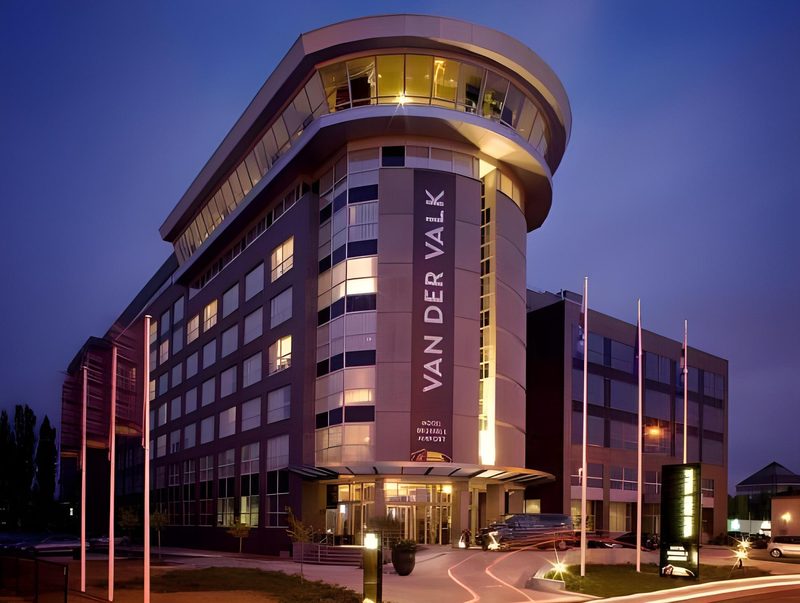
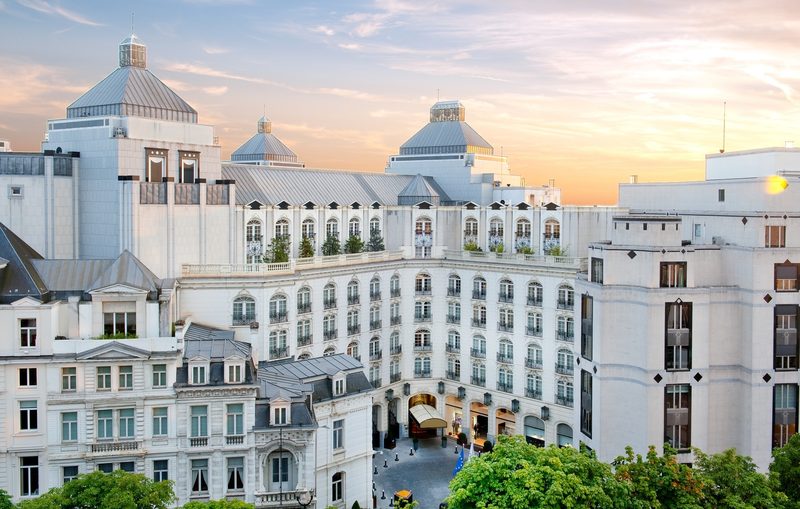
See All Belgium Tours on ViatorWhere to Stay in Belgium in May
Hand-picked hotels across price tiers for May travellers.
Public Holidays in May
Dates that affect opening hours, transport and crowds
Dag van de arbeid
Known in English as Labour Day. Observed nationwide as a public holiday.
Onze Lieve Heer hemel
Known in English as Ascension Day. Observed nationwide as a public holiday.
Pinkstermaandag
Known in English as Whit Monday. Observed nationwide as a public holiday.
Dag van de arbeid
Known in English as Labour Day. Observed nationwide as a public holiday.
Onze Lieve Heer hemel
Known in English as Ascension Day. Observed nationwide as a public holiday.
Packing Checklist
Bookmark this page — your progress is saved between visits
Need the full list with shopping links?
Climate-specific gear, brand recommendations, and what to leave at home.
View Belgium Packing List →Essential Tips
Insider knowledge and common pitfalls to avoid
Insider Knowledge
The Belgian rail network is small and dense enough that you can base yourself in one city and day-trip to nearly anywhere in the country within ninety minutes. Brussels to Bruges is an hour. Brussels to Ghent is thirty minutes. Brussels to Antwerp is forty-five. A rail pass covering ten journeys is significantly cheaper per trip than buying point-to-point tickets. The passes are valid across all domestic routes including IC trains. Buy at any station counter before your first journey rather than on the train.
Belgians eat their main meal earlier than the French but later than the Dutch, and restaurant kitchens in smaller cities like Bruges and Dinant stop seating by 9 PM or even 8:30 PM. Brussels and Antwerp keep later hours. But outside those cities, showing up at 9:30 PM expecting dinner will leave you eating frituur fries on a bench. The flip side: lunch is taken seriously here, and multi-course weekday lunch menus at serious restaurants run at a fraction of the dinner price, often with the same kitchen and the same quality.
The Hallerbos bluebell forest, about 30 km (19 miles) south of Brussels near Halle, peaks in late April but often holds into the first week of May depending on the spring. If you arrive in early May, check local reports before making the trip. When the timing works, the forest floor turns a solid violet-blue under the beech canopy, with a sweet, faintly honeyed scent that fills the whole wood. It is extraordinary. But only for about ten days a year, and driving there on the wrong weekend means a crowded parking lot and bare woodland.
Belgian chocolate shops in tourist zones, along Bruges's Steenstraat and Brussels's Grand-Place perimeter, sell mass-produced pralines repackaged for visitors. The real chocolatiers operate slightly off the main streets: the Sablon neighbourhood in Brussels, the area around Ghent's Veldstraat, and Antwerp's Kloosterstraat are where locals buy. The difference is obvious the moment you taste a fresh ganache filling versus a shelf-stable one. If you are buying to bring home, ask for pralines made that week and keep them cool; Belgian chocolate contains minimal preservatives and does not survive a warm suitcase.
Avoid These Mistakes
Spending the entire trip in Bruges and Brussels while skipping Ghent. Ghent has the medieval canal beauty of Bruges with half the tourist density and twice the local energy, in May when the student population keeps the city lively. The Gravensteen castle in the middle of the city, a brooding twelfth-century fortress surrounded by water, is a better castle experience than anything in Bruges, and the view from Sint-Michielsbrug at dusk, with three illuminated towers reflected in the Leie, is one of the finest urban panoramas in Europe.
Assuming Belgium is a single culture and speaking only French or only Dutch. The country is linguistically divided along a line you can practically draw on a map: Dutch in Flanders to the north, French in Wallonia to the south, and Brussels officially bilingual but French-dominant in daily life. Greeting someone in French in Antwerp or Ghent is not rude exactly. But it lands differently than starting with a simple Dutch greeting. Most Belgians under fifty speak excellent English and will switch the moment they hear your accent. But the initial gesture matters.
Trying to drive between Belgian cities instead of taking the train. The motorway network around Brussels is notorious for congestion that can turn a forty-five-minute drive into a two-hour ordeal, on Friday afternoons and around the public holiday weekends that cluster in May. The rail connections between major cities are fast, frequent, and drop you in the historic centre rather than at a parking structure on the outskirts. Save driving for the Ardennes, where public transit thins out and the river valley roads are enjoyable.
Ready to plan your trip to Belgium?
Now that you've got the research covered, here's where to go next.