Things to Do in Belgium in March
March weather, activities, events & insider tips
Low Season · Budget Friendly
March Weather in Belgium
Temperature, rainfall and humidity at a glance
51°F (10°C)
High Temp
38°F (3°C)
Low Temp
2.3 inches (58 mm)
Rainfall
70%
Humidity
⚠ Late-season cold snaps can push overnight temperatures below freezing, in the Ardennes where elevations of 500-700 m (1,640-2,300 ft) drop windchill into the -5°C (23°F) range. Check forecasts before committing to Ardennes day trips in early March. Pack accordingly.
⚠ North Sea wind in coastal cities like Ostend, Blankenberge, and Knokke-Heist amplifies the cold beyond what inland temperatures suggest. Wind speeds along the Belgian coast average 25-35 km/h (15-22 mph) in March, making a 7°C (45°F) day feel closer to 2°C (36°F) without wind protection. Bring layers.
⚠ The transition from winter to spring time (last Sunday of March) shifts clocks forward one hour. If your visit spans this date, reconfirm any early-morning transport bookings and expect mild jet-lag effects on top of existing time zone adjustment. Check your tickets.
Is March Right for You?
Weigh the advantages and considerations before booking
Advantages
- + Shoulder season pricing across the country drops accommodation costs significantly from summer peaks. Bruges in particular empties out enough that you can walk along the Dijver canal at midday without shuffling behind tour groups for the first time since October. Restaurants that require reservations three weeks ahead in July have same-day tables. Book now.
- + March catches the tail end of Belgium's cultural indoor season, when the country's museum and concert programming peaks. The Royal Museums of Fine Arts in Brussels mount their strongest temporary exhibitions before the warm-weather crowd shifts outdoors. The Concertgebouw in Bruges runs late-season chamber music in a hall with acoustics that justify the trip alone. Worth it.
- + Belgian beer culture enters a transitional sweet spot in March. Lambic breweries in the Pajottenland finish their winter brewing season (spontaneous fermentation requires cold air), and some producers open their doors for the last batch days. Cantillon in Brussels still runs Saturday tours during this window. The first spring blends start appearing on draft lists at serious beer bars like Moeder Lambic in Saint-Gilles.
- + The first real daylight arrives. By mid-March, Brussels gets over twelve hours of light, and the low-angle sun catching the gilded facades on the Grand-Place around 5 PM creates the kind of golden wash that disappears once the sun climbs higher in summer. Crocuses push through in the Parc du Cinquantenaire and the Citadelpark in Ghent. The whole country starts to feel like it is exhaling after five months of grey.
Considerations
- − The cold is wet, not crisp. Belgium in March sits in that miserable band where the air is 5°C (41°F), the wind off the North Sea adds a damp chill that cuts through anything less than a proper layered kit, and the sky stays the colour of old concrete for days at a stretch. This is not the photogenic cold of a Swiss winter. It is the kind that makes your hands ache on a canal boat in Bruges unless you packed wool gloves.
- − About a third of March days bring rain, and it tends to arrive as a persistent drizzle rather than a defined storm you can wait out. Outdoor plans, Ardennes hiking or Ostend beach walks, need genuine flexibility. You will likely lose at least two full days to weather that makes leaving the hotel unappealing. Pack accordingly.
- − Some seasonal attractions remain closed or run reduced hours. Boat tours on Bruges' canals typically restart in March but may not operate daily until Easter. The Floralia Brussels flower show at Grand-Bigard Castle does not open until April. The Ardennes adventure operators, kayaking outfits on the Lesse and Ourthe rivers, are still shuttered until late March or April depending on water levels and temperatures.
Best Activities in March
Top things to do during your visit
Belgium in March sits at the hinge between winter and spring, and you feel it in every cobblestoned square. Mornings start cold, often around three or four degrees, with a thin mist clinging to canal surfaces in Bruges and drifting through the glass-roofed Galeries Royales Saint-Hubert in Brussels. By midday the temperature climbs toward ten degrees, enough to coax locals onto café terraces beneath wool blankets, espresso in hand, faces tilted toward whatever pale sun breaks through the cloud cover. Rain arrives on roughly a third of the days, usually in short, sharp bursts rather than all-day downpours, which means the smart traveler carries a compact umbrella and keeps walking. Belgium's rainfall in March is the lightest of any month in the calendar, drier than the sodden autumn or the surprisingly wet midsummer, so the reputation for grey skies oversells what you encounter on the ground. What makes March feel distinct from the tourist-heavy summer months is the emptiness. The lines outside the Manneken Pis are three people deep instead of thirty. The lace shops along Bruges's Wollestraat have time to explain the difference between bobbin and needle techniques. Restaurant kitchens in Ghent are cooking for regulars, not tour groups, so you eat what Belgians eat in late winter: thick carbonnade flamande with a sweetness from slow-cooked onions, bowls of grey shrimp croquettes with a crackle so loud the table next to you turns, and the first tentative salads of spring greens dressed in a sharp, mustardy vinaigrette. The chocolate shops, which Belgium has in an almost absurd density, are between Valentine's and Easter production, meaning the pralines in the display cases are made in smaller, more careful batches. You can smell the roasted cacao from the doorway of Pierre Marcolini on the Grand Sablon, mingling with the cold mineral air off the wet limestone. Belgium rewards the traveler who slows down, and March enforces that pace. The country is compact enough to base yourself in Brussels and reach Antwerp, Ghent, or Bruges by train in under an hour. But the low-season rhythm invites lingering. Stay in one neighborhood long enough to notice the light change across an afternoon, the way the Art Nouveau ironwork on a Schaerbeek townhouse catches the late sun differently than it did at noon, the sound of trams grinding around the curve near Flagey, the particular yeasty warmth that rolls out of a frituur at five in the evening. This is Belgium without performance, without the summer crowds that turn the Grand Place into a photo op. In March, the Grand Place is yours at dusk, the gold leaf on the guild houses glowing under floodlights while pigeons settle into the eaves and the stone underfoot is slick with a recent shower.

European Quarter Comedy Tour
entertainmentThe European Quarter Comedy Tour takes you through the institutional heart of Brussels, the glass-and-steel zone where the European Commission and Parliament dominate the skyline, and reframes it through irreverent, laugh-out-loud storytelling. Your guide dismantles the bureaucratic façade with sharp political humor, walking you past the Berlaymont building and Parc du Cinquantenaire while delivering punchlines that land harder because you are standing in front of the actual institutions being skewered. The comedy format strips away the dry policy-tour script and replaces it with genuine wit, making the EU quarter feel alive and absurd and human in a way that a standard guided walk never manages.
The only tour in Brussels that makes European governance funny, turning the grey institutional quarter into a stage for sharp, knowing comedy.
Insider tip: Go on a weekday when the EU buildings are staffed and the contrast between suited officials streaming out and your laughing group is part of the show.

Navigate through Brussels and Discover Beer and Chocolate
otherNavigate through Brussels and Discover Beer and Chocolate is exactly the double-barreled indulgence it promises, threading you through narrow lanes between the Grand Place and the Sablon while stopping at working chocolatiers and traditional beer bars that tourists walk past without noticing. You taste Belgian beer the way locals drink it, in the correct glassware at cellar temperature, learning why a Trappist dubbel from Chimay has that dark-fruit depth and why a lambic from the Senne Valley smells like a cider barn after harvest. The chocolate stops go beyond bonbons into the craft itself, the snap of a well-tempered couverture, the bloom of cocoa butter on your tongue, the difference between a ganache made with fresh cream and one padded with palm fat.
Beer and chocolate are Belgium's two defining obsessions, and this tour teaches you to taste both with the precision of a local rather than the enthusiasm of a tourist.
Insider tip: Eat a light breakfast or skip it entirely. The chocolate tastings are generous and the beer pairings are full pours, not sips.
This month: March weather keeps you moving between warm interiors, and the cooler temperature means chocolate holds its temper and snap better during outdoor walking segments than it would in the summer heat.

Brussels Private Family Tour: Highlights, Tasting and Museum
culturalThe Brussels Private Family Tour folds highlights, tastings, and a museum visit into one curated arc designed so that children are engaged and adults are not bored. Your private guide calibrates the storytelling to whoever is in the group, pointing out the grotesque carved faces on medieval guild houses that fascinate eight-year-olds, explaining why the waffle you are eating from a Liège-style vendor tastes of caramelized pearl sugar and butter rather than the flat Brussels-style version tourists default to, and steering you into a museum chosen to match your family's interests. The pace stays human rather than forced, with built-in pauses at playgrounds and squares where children can run.
A private format that treats families as intelligent travelers rather than herding them through checkpoints, with tastings and storytelling pitched to keep every age invested.
Insider tip: Ask your guide to include the Musical Instrument Museum if your children are old enough. The headphones that play each instrument as you stand near it are mesmerizing for kids and adults alike.

Daily tour of Brussels Lower Town and Upper Town
guided_experienceThe Daily Tour of Brussels Lower Town and Upper Town covers the full vertical geography of the city, from the commercial density around the Grand Place and the fishmongers of Rue du Marché aux Fromages up through the steep climb to the Royal Quarter, the Palais de Justice, and the panoramic overlook at Place Poelaert. The altitude change is the story: Lower Town is medieval, cramped, smelling of frying oil and roasting coffee, its gabled facades leaning inward over narrow streets. Upper Town is Neoclassical, wide-avenued, windswept, with the cold clean scent of cut stone and the distant sound of church bells from Notre-Dame du Sablon. Your guide bridges the two with the social history that explains why the division exists and why it still shapes how Brusselois think about their own city.
Brussels is a city built on a slope, and this tour uses that physical geography to tell the story of class, power, and architecture that most visitors never grasp.
Insider tip: Wear shoes with grip. The Mont des Arts stairs and the cobbles around the Sablon are slippery when wet, and in March they are frequently wet.
This month: The cooler March air and reduced foot traffic make the climb between Lower and Upper Town more pleasant than in the humid, crowded summer months, and the overlook at Place Poelaert is often clear enough to see the Atomium on the northern horizon.

Brussels Highlights and Secrets: Private Tour with Beer Stop
private_tourBrussels Highlights and Secrets with a private guide and a built-in beer stop splits the difference between a greatest-hits tour and a local's insider crawl. You see the Grand Place, the Galeries Royales Saint-Hubert with their iron-and-glass ceiling throwing latticed shadows on the marble floor, and the Royal Palace exterior. But then your guide pulls you into the side streets tourists skip: the forgotten Art Nouveau pharmacy on Rue Henri Maus, the tiny chapel tucked behind Place du Grand Sablon, the courtyard where pigeons roost under a medieval archway that smells of damp moss and old brick. The beer stop is at a bar chosen for its draft list rather than its proximity to a bus route, where you drink something unpasteurized and local while your guide explains the Belgian obsession with yeast strains.
The private format lets you go off-script into the passages and courtyards that group tours cannot fit through, with a beer stop that is a genuine education in Belgian brewing.
Insider tip: Tell your guide in advance if you prefer lambics, saisons, or Trappist ales. They will choose the beer stop accordingly rather than defaulting to a generic tourist pub.

Brussels Off the Beaten Path: Private Local Walking Tour
walking_tourBrussels Off the Beaten Path is a private walking tour that abandons the centre entirely and takes you into neighborhoods where the city lives. Depending on your guide's read of your interests, you might walk through the African shops and Congolese restaurants of Matonge, where the smell of grilled plantain and piri-piri chicken drifts from doorways hung with printed wax fabric, or through the Art Nouveau residential streets of Schaerbeek, where Horta's disciples built townhouses with whiplash ironwork balconies and stained-glass transoms that glow amber in the grey March light. The tour strips away the tourist layer and replaces it with the texture of a working city: the Turkish bakeries of Saint-Josse, the secondhand bookstalls along the Marolles flea market at Place du Jeu de Balle, the quiet squares where retired men play cards under chestnut trees still bare from winter.
The only Brussels tour that treats the city as a living place rather than a monument collection, reaching into neighborhoods that even repeat visitors rarely find.
Insider tip: Request the Marolles route if you want to combine the walk with browsing the daily flea market at Place du Jeu de Balle, which runs every morning and is best before noon when dealers start packing.
Explore More Activities in Belgium
Didn't see anything interesting yet?
Browse Viator's full catalog of tours, day trips, food experiences, and private guides in Belgium.
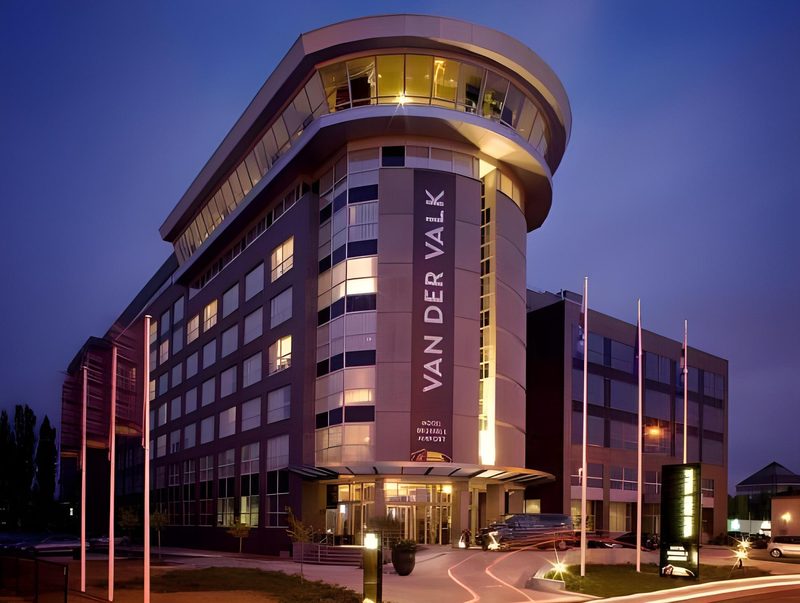
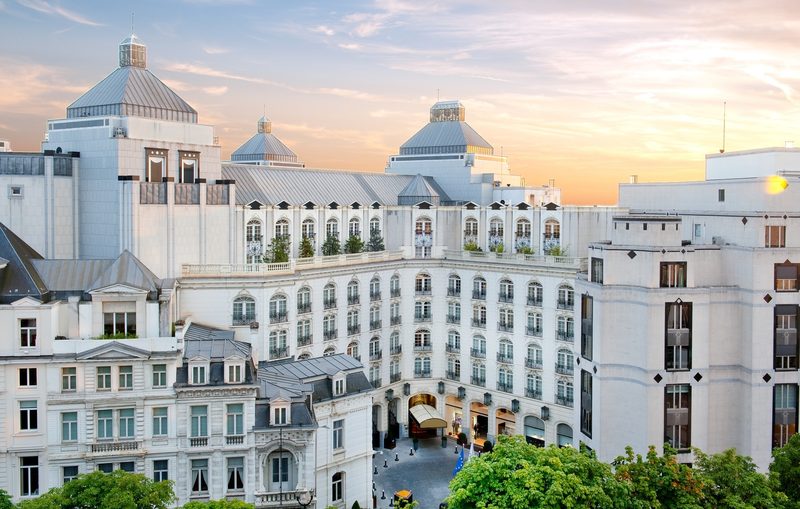
See All Belgium Tours on ViatorWhere to Stay in Belgium in March
Hand-picked hotels across price tiers for March travellers.
Public Holidays in March
Dates that affect opening hours, transport and crowds
Pasen
Known in English as Easter Sunday. Observed nationwide as a public holiday.
Paasmaandag
Known in English as Easter Monday. Observed nationwide as a public holiday.
Packing Checklist
Bookmark this page — your progress is saved between visits
Need the full list with shopping links?
Climate-specific gear, brand recommendations, and what to leave at home.
View Belgium Packing List →Essential Tips
Insider knowledge and common pitfalls to avoid
Insider Knowledge
The Belgian train network, operated by SNCB, makes city-hopping trivially easy in March. Brussels to Bruges takes an hour. Brussels to Ghent thirty minutes. Brussels to Antwerp forty-five. Weekend return tickets run significantly cheaper than two singles. In March the trains are quiet enough that you can spread out with a bag on the seat beside you. Most visitors miss the Go Unlimited pass. It offers ten journeys anywhere in the country and drops the per-trip cost to something approaching negligible. Buy it at any station kiosk rather than online, where the interface is clunky.
Belgian restaurants serve lunch as a serious meal between noon and 2 PM. Many of the best kitchens offer a dagschotel or plat du jour at lunch that matches the evening menu's quality at a fraction of the dinner price. In March, when reservations are easy, this is the most efficient way to eat at places that would require two weeks' notice in July. Ghent in particular has an outsized restaurant scene for its size. The lunch culture there runs strongest along the Graslei and in the Patershol. Go there.
Belgium's museum pass, currently offering access to over 180 museums across the country, pays for itself in two visits at major institutions. In March, with rain driving you indoors regularly, you will likely visit four or five museums across a week. The Royal Museums of Fine Arts in Brussels, the Groeningemuseum in Bruges, and the MAS in Antwerp are each strong enough to anchor a full day. The pass eliminates the per-visit decision fatigue that leads tourists to skip the smaller collections they would have loved. Worth the price.
March in Belgium is the tail of mussel season. Moules-frites traditionally runs from September through March, and by mid-March the mussels are at their largest, having fattened through the winter. The classic preparation in white wine, shallots, celery, and parsley produces a broth at the bottom of the pot that is arguably better than the mussels themselves. Soak bread in it. The dish is served everywhere but is best in the places where the pot is black cast iron and the frites come in a paper cone from a separate fryer. Chez Leon in Brussels has served this since 1893 and the execution has not changed because it does not need to.
Avoid These Mistakes
Packing for the daytime high and ignoring the overnight low. The 3°C to 10°C (38°F to 51°F) spread means mornings in Bruges or Ghent require winter layers that you will strip off by noon. Tourists who pack only a light jacket based on the 10°C forecast end up buying emergency scarves at tourist-trap prices by lunchtime on day one. Pack smart.
Treating Belgium as a Brussels-only destination. The country is small enough that every major city is under ninety minutes from Brussels by train, and the character shifts dramatically. Ghent is rougher-edged and more student-driven, Bruges is medieval and canal-laced, Antwerp is fashion-forward and port-industrial, and Wallonia is forested and French-speaking. Spending four nights in Brussels and day-tripping is less effective than spending one or two nights in each city. You will experience the evening restaurant and bar culture that vanishes by the 6 PM train departure. Stay overnight.
Assuming everything is open on Sundays. Belgium retains traditional Sunday closing hours more than neighbouring countries, and in March many smaller shops, outside Brussels, close entirely on Sundays and sometimes Mondays. Museums generally stay open but restaurants outside tourist zones may not serve dinner Sunday evening. Checking hours before a Sunday excursion to a smaller town like Dinant or Durbuy prevents arriving to locked doors and empty streets. Plan ahead.
Ready to plan your trip to Belgium?
Now that you've got the research covered, here's where to go next.