Things to Do in Belgium in December
December weather, activities, events & insider tips
Shoulder Season · Good Value
December Weather in Belgium
Temperature, rainfall and humidity at a glance
43°F (6°C)
High Temp
35°F (2°C)
Low Temp
3.4 inches (86 mm)
Rainfall
70%
Humidity
⚠ Wind chill along the North Sea coast and in open squares can drop perceived temperatures to -5°C (23°F) or below even when the thermometer reads 2°C (35°F). Exposed skin chills fast in the damp maritime wind, in Bruges and Ostend where the Flemish plain offers no wind shelter.
⚠ Freezing fog occurs occasionally in the Ardennes highlands and the Meuse valley, reducing visibility to under 100 m (330 ft) and making driving on secondary roads hazardous. If you are planning a self-drive Ardennes trip, check conditions before setting out and carry de-icer for the windshield.
⚠ Black ice forms on cobblestone streets in the early morning hours, in Bruges, Ghent, and the older quarters of Brussels. The smooth-worn stone becomes treacherously slick with a thin frost layer that is nearly invisible. Walk carefully before 9 AM, on bridges and inclined lanes.
Is December Right for You?
Weigh the advantages and considerations before booking
Advantages
- + Belgium's Christmas markets rank among Europe's finest, and December is the only month to experience them at full scale. Brussels' Plaisirs d'Hiver stretches from the Bourse to Place Sainte-Catherine with over 200 chalets, Bruges drapes its Markt square in lights reflected off the canal water, and Liege's Village de Noel runs more than 2 km (1.2 miles) along the Meuse river. The smell of speculoos baking, hot jenever, and roasting chestnuts follows you through every square.
- + Museum crowds thin out dramatically compared to July and August. You can stand in front of the van Eycks' Ghent Altarpiece at Sint-Baafskathedraal without someone's selfie stick in your peripheral vision, and the Magritte Museum in Brussels has room to pause in front of a painting. Gallery-heavy itineraries that feel like a forced march in summer become contemplative in December.
- + Belgian winter food is its own argument for visiting. This is the season of stoofvlees (beef braised for hours in dark abbey ale until the sauce turns almost black and sticky), vol-au-vent with cream-rich chicken ragout, and witloof gratin where Belgian endive meets bechamel and Gruyere under a burnished crust. Restaurants shift to these heavier preparations around November and keep them through February, and they are categorically better than anything on the summer menu.
- + Accommodation rates drop noticeably outside the Christmas market weekends. Midweek stays in Bruges and Ghent, which command premium rates from April through October, become far more accessible. The cities feel like they belong to the people who live there rather than to tour groups, and that changes the texture of every interaction. The bartender has time to explain why that Westvleteren XII tastes different from anything you have tried before.
Considerations
- − Daylight is brutally short. The sun rises around 8:40 AM and sets by 4:30 PM, leaving barely seven and a half hours of usable light. Outdoor sightseeing requires ruthless prioritisation, and if you waste a clear morning sleeping in, you have lost a significant fraction of your visual day. By 3 PM the sky is already dimming, and by 5 PM the only light is artificial.
- − The cold is less about temperature and more about penetration. Belgium's December damp (70% humidity combined with the North Sea wind that funnels up the Scheldt estuary) makes 2°C (35°F) feel substantially worse than a dry 2°C in, say, Munich or Prague. The chill seeps through cotton and denim in minutes. Without proper layering, you will cut outdoor walks short, and that defeats the purpose of visiting cities designed for walking.
- − Rain is frequent and often arrives as a fine, persistent drizzle rather than dramatic downpours. About ten days of the month see measurable precipitation, and overcast skies dominate even the dry days. If you need blue skies for photography or simply for mood, December Belgium will test your patience. The grey can feel relentless by day five.
Best Activities in December
Top things to do during your visit
Belgium in December settles into a quiet, steel-gray rhythm. The sky hangs low over Gothic spires and Art Nouveau facades, rarely climbing above six degrees, and the damp cold, not the bone-dry chill of Scandinavia but a penetrating, moisture-laden rawness, seeps through wool and leather alike. Frost rimes the cobblestones of Grand Place before dawn, and by mid-morning the smell of roasting chestnuts drifts from vendor carts on Rue des Bouchers. Rain falls on roughly a third of the month's days, sometimes as a fine mist that beads on eyelashes, sometimes as a proper downpour that clears the squares and fills the estaminets. This is Belgium at its most introspective, when the country retreats indoors to its deep traditions of beer, chocolate, and conversation, and travelers who follow find a warmth behind closed doors that the weather outside refuses to provide. The rhythm of daily life in Belgium shifts noticeably once December arrives. Daylight narrows to barely eight hours, which means the amber glow of cafe windows and the strings of white lights along canal bridges define the landscape more than sunshine ever could. Locals lean into it. Bars that felt casual in September become institutions in December, their dark-wood interiors fogged with the yeasty exhale of Trappist pours and the sweet funk of stoofvlees simmering behind the counter. The country's food culture, already among the most underrated in Europe, takes on a particular gravity this time of year, with endive gratin, vol-au-vent, and thick mussel broths replacing the lighter fare of warmer months. Brussels, Bruges, Ghent, and Antwerp each wear December differently. But they share the same invitation: slow down, eat well, drink better, and let the abbreviated days compress experience into something denser and more memorable than a long summer afternoon ever could. For travelers debating the best time to visit Belgium, December rewards those who prefer atmosphere over convenience. Queues at major museums thin out compared to the summer crush. Hotel availability opens up. And the things to do in Belgium when it rains, which is to say, often, happen to be the things Belgium does best: touring its brewery culture, wandering its covered gallery arcades like the Galeries Royales Saint-Hubert, and eating in restaurants where the kitchen has had all autumn to perfect its winter menu. Couples find December Belgium romantic in a way that owes nothing to cliché and everything to the sensory reality of the place: the crack of a praline shell between your teeth, the warm fog of a friture at dusk, the sound of your own footsteps echoing off wet medieval walls in Ghent's Patershol quarter after the day-trippers have gone home.

European Quarter Comedy Tour
entertainmentThe European Quarter Comedy Tour takes you through the institutional heart of Brussels, the glass-and-steel canyon of the EU district, and reframes it through the lens of stand-up comedy, turning the absurdity of continent-scale bureaucracy into sharp material delivered on the streets where it all happens. Your guide, working as both comic and historian, stops at key landmarks along the Rue de la Loi and Parc du Cinquantenaire, and the humor lands harder because you can see the buildings being roasted right behind the comedian's shoulder. In December, when the EU quarter empties out after dark and the wind whips between the Berlaymont and Justus Lipsius buildings, the tour takes on an almost surreal quality, you are laughing in the cold outside the offices that govern 450 million people, breath visible in the floodlit air.
The only tour in Brussels that makes the European Quarter entertaining, turning policy architecture into punchlines with a comedian who knows the material cold.
Insider tip: Book a weekday evening slot when the quarter is still partially active, seeing suited staffers hurrying past while your guide lampoons the institution they serve adds a layer of absurdist comedy the weekend version lacks.
This month: December's early darkness and the emptied-out feel of the EU quarter after hours intensify the comedic contrast between the grandiosity of the institutions and the intimate scale of a walking comedy show.

Navigate through Brussels and Discover Beer and Chocolate
otherNavigate through Brussels and Discover Beer and Chocolate is a guided tasting walk that threads through the old city's narrow lanes, stopping at curated chocolate shops and traditional beer bars where the selections are chosen not for tourist appeal but for craft and provenance. You will taste lambic ales pulled from cellars where the fermentation is driven by wild Brussels airborne yeast, a flavor that is tart, funky, and entirely specific to the Senne valley, and pair them with ganaches and pralines whose cocoa percentages and filling profiles are explained with the seriousness a sommelier reserves for premier cru. In December, when the air outside bites at exposed skin and the windows of chocolatiers like Pierre Marcolini or Laurent Gerbaud fog with the warmth of tempering rooms, ducking in and out of these stops feels less like a tour and more like a series of small rescues from the cold.
Belgium's two most celebrated exports, beer and chocolate, are better understood together than apart, and this tour builds that pairing knowledge through direct, palate-level experience.
Insider tip: Eat a solid meal beforehand rather than arriving on an empty stomach, the chocolate tastings are generous, and the beer samples, while modest, accumulate; a lined stomach lets you focus on flavor rather than fighting a sugar-and-alcohol spiral.
This month: December's cold makes the contrast between frigid streets and heated tasting rooms sharp, and the chocolate shops operate at peak production for the holiday gifting season, meaning you are tasting from freshly made batches rather than stored inventory.

Brussels Private Family Tour: Highlights, Tasting and Museum
culturalThe Brussels Private Family Tour packages the city's highlights, a chocolate tasting, and a museum visit into a single guided experience designed for families with children, which in practice means a pace calibrated to shorter attention spans and a narrative pitched at wonder rather than academic depth. Your guide steers you through the Grand Place, where the gilded guildhouses catch whatever thin December light breaks through the overcast, past Manneken Pis (children reliably find this hilarious), and into a hands-on chocolate workshop where kids can dip their own pralines while parents taste the darker, more complex offerings. The museum component, typically the Belgian Comic Strip Center, housed in a swooping Victor Horta building where the ironwork curves like frozen vines, gives everyone a reason to linger indoors when the damp cold outside starts to wear.
A private format means the guide adjusts to your family's energy and interests in real time, turning what could be a forced march through Brussels into an unhurried, child-paced day with tasting and museum time built in.
Insider tip: Ask your guide to include the Galeries Royales Saint-Hubert as a walking segment, the glass-roofed arcade keeps everyone dry and warm, and children are captivated by the shop windows, the chocolatiers with their sculpted displays.

Daily tour of Brussels Lower Town and Upper Town
guided_experienceThe Daily Tour of Brussels Lower Town and Upper Town covers the full topographic split that defines the capital, the commercial, working-class energy of the lower city around the Bourse and Grand Place, then the steep climb (or elevator ride through the Mont des Arts) to the upper town's neoclassical royal quarter, where the Royal Palace and the Parc de Bruxelles sit on a plateau overlooking the rooftops below. The guide narrates the class politics embedded in this geography: lower town was merchant and guild territory, upper town was aristocratic and administrative, and the tension between them shaped Brussels for six centuries. In December, the upper town's wide esplanades feel wind-scoured and exposed, while the lower town's tight streets trap warmth and noise and the smell of waffles cooking on cast-iron plates, the sensory contrast mirrors the social one your guide is describing.
Understanding the lower-upper divide is the single most useful framework for reading Brussels as a city, and walking it with a guide who can narrate the architectural and political layers makes it stick.
Insider tip: Wear shoes with grip, the steep streets connecting the two levels, around the Montagne de la Cour, become slick when December rain hits the old stone, and the descent back down is more treacherous than the climb up.
This month: The short December daylight means afternoon tours finish in near-darkness; a late-morning start ensures you see the architectural details of both quarters in natural light before the sun drops behind the Palais de Justice around half past four.

Brussels Highlights and Secrets: Private Tour with Beer Stop
private_tourBrussels Highlights and Secrets with a private guide and a beer stop is a walking tour that balances the city's marquee sights, Grand Place, the Sablon, the Royal Quarter, with the kind of detours only a local would choose: a courtyard behind a nondescript door on Rue Haute, a chapel where the ceiling fresco was painted over and then accidentally rediscovered during renovation, a beer bar in the Marolles neighborhood where the owner pours gueuze from unlabeled bottles sourced directly from a lambic blender's attic. The private format means the pace is yours, and the beer stop is not a perfunctory five-minute pour but a genuine sit-down in a bar chosen for character. In December, these interior moments gain weight, you are not just ducking into a bar for a drink but crossing a threshold from raw, gray cold into a room where the wood paneling has absorbed decades of hops and conversation and the glass in your hand is slightly warm from the cellar it just left.
The combination of well-known sights and off-guidebook detours, calibrated to a single party's pace, makes this the strongest option for travelers who want both the postcard Brussels and the city that locals inhabit.
Insider tip: Tell your guide at the start if you prefer sour lambics or abbey-style ales, they will choose the beer stop accordingly, and the difference between a gueuze bar in the Marolles and a Trappist-focused cafe near Sainte-Catherine is significant enough to change the character of the whole tour.

Brussels Off the Beaten Path: Private Local Walking Tour
walking_tourBrussels Off the Beaten Path is a private walking tour that deliberately avoids the Grand Place orbit and instead builds its route through neighborhoods most visitors never reach, the Marolles, where the daily flea market at Place du Jeu de Balle sprawls across a square surrounded by peeling Art Deco facades. The African Matongé quarter near Porte de Namur, where the smell of grilled plantain and ndolé drifts from tiny restaurants and the fabric shops blaze with wax-print textiles in electric orange and indigo. And the canal district of Molenbeek, where a generation of young chefs and artists is reshaping a neighborhood the international press reduced to a single story. Your guide is a local who lives in these quarters and can walk you into a Congolese grocery, a Turkish hammam's tea lounge, or a squat-turned-gallery without the transaction feeling forced. December strips the tourist veneer from Brussels entirely, and these neighborhoods, which never had much veneer to begin with, reveal the working texture of a city that is far more culturally layered than its reputation as the EU capital suggests.
This is the tour for travelers who have already seen the Grand Place or simply do not care about it, a route through the Brussels that locals argue about, invest in, and live.
Insider tip: Wear warm layers you can remove indoors, the tour moves between heated interiors and raw outdoor stretches, and the Marolles flea market in December is an exposed, wind-channeled square where standing still to browse vintage finds gets cold fast.
This month: The Jeu de Balle flea market operates year-round including December. But vendor turnout thins in heavy rain, a dry Saturday is the ideal window.
Explore More Activities in Belgium
Didn't see anything interesting yet?
Browse Viator's full catalog of tours, day trips, food experiences, and private guides in Belgium.
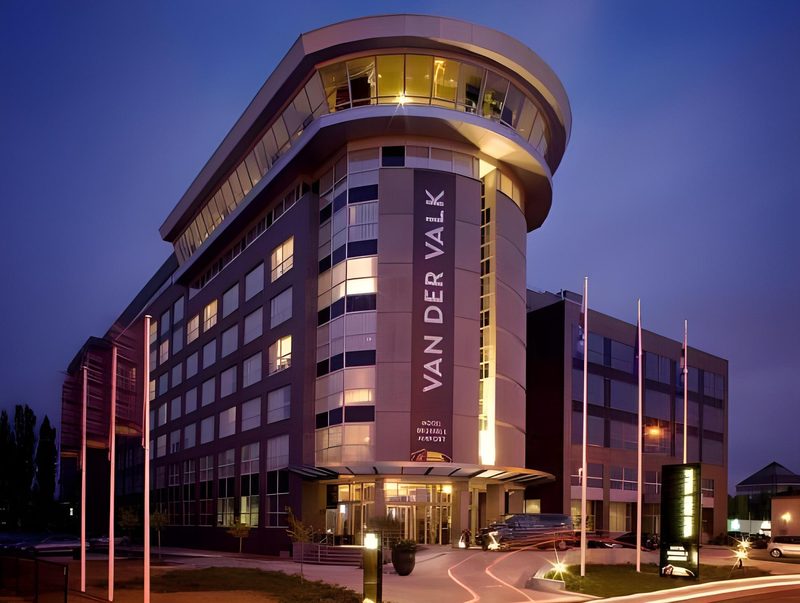
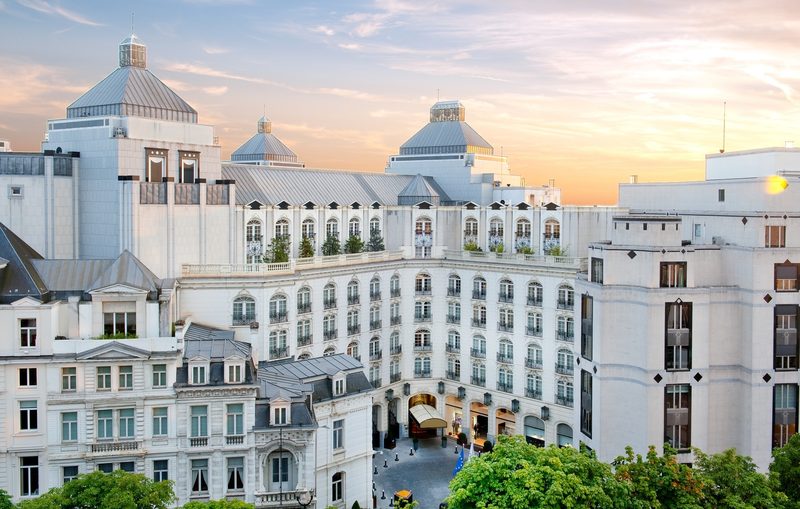
See All Belgium Tours on ViatorWhere to Stay in Belgium in December
Hand-picked hotels across price tiers for December travellers.
Public Holidays in December
Dates that affect opening hours, transport and crowds
Kerstdag
Known in English as Christmas Day. Observed nationwide as a public holiday.
Kerstdag
Known in English as Christmas Day. Observed nationwide as a public holiday.
Kerstdag
Known in English as Christmas Day. Observed nationwide as a public holiday.
Packing Checklist
Bookmark this page — your progress is saved between visits
Need the full list with shopping links?
Climate-specific gear, brand recommendations, and what to leave at home.
View Belgium Packing List →Essential Tips
Insider knowledge and common pitfalls to avoid
Insider Knowledge
The Christmas markets run essentially the same stalls across Brussels, Bruges, and Ghent. If you are visiting multiple cities, you do not need to eat your way through every market. Pick one city for the full market experience. Use the others for their non-market strengths. Brussels has the biggest spectacle. Bruges has the most photogenic setting. Liege has the best food stalls.
Belgian train passes make multi-city days easy. The rail network connects Brussels, Bruges, Ghent, and Antwerp in under an hour each direction. December trains are rarely full outside rush hour. A weekend pass covers ten journeys and makes spontaneous day trips practical. Buy at the station. The machines are in English, Dutch, and French.
The best Belgian chocolate shops do not cluster on the main tourist streets in Bruges. The shops along Katelijnestraat and Breidelstraat sell mass-produced pralines at tourist markups. The serious chocolatiers, the ones who temper their own couverture and fill to order, tend to operate one street back, often without English signage. Ask at your hotel or B and B. The locals have strong opinions. They will steer you right.
December evenings in Ghent are underrated compared to Bruges. The Graslei and Korenlei waterfront, lit up and reflected in the Leie, is as atmospheric as anything in Bruges but with a fraction of the visitors. The bars along the waterfront serve Ghent's own Gruut ale, which is brewed with a medieval herb mix instead of hops. It is unlike any other Belgian beer and you cannot get it outside the city.
Avoid These Mistakes
Trying to see Brussels, Bruges, Ghent, and Antwerp in two days. Each city needs a full day minimum to do justice to its centre, and rushing between them turns a trip into a train-station tour. Three days lets you do two cities properly with one half-day excursion. Four days is the sweet spot for three cities without feeling hurried.
Packing for dry cold instead of wet cold. Visitors from North America and East Asia often bring puffy down jackets that lose their insulation when damp. Belgium's December is not crisp alpine air. It is maritime dampness that defeats down. A waterproof outer layer over a wool mid-layer is the correct approach.
Assuming everything closes on December 25 and 26. Christmas Day itself is quiet. But December 26 sees many restaurants and some attractions reopen, and the Christmas markets typically resume by the afternoon. The real closure window is Christmas Day only. Planning around a two-day shutdown means missing an usable day.
Ready to plan your trip to Belgium?
Now that you've got the research covered, here's where to go next.