Things to Do in Belgium in January
January weather, activities, events & insider tips
Low Season · Budget Friendly
January Weather in Belgium
Temperature, rainfall and humidity at a glance
42°F (6°C)
High Temp
34°F (1°C)
Low Temp
3.0 inches (76 mm)
Rainfall
70%
Humidity
⚠ The Ardennes plateau, the Hautes Fagnes above 500 m (1,640 ft), can experience sudden fog and freezing conditions that make trail navigation difficult. Carry a physical map and dress for temperatures 3°C to 5°C (5°F to 9°F) below lowland readings.
⚠ Black ice forms on Belgian cobblestone streets and sidewalks overnight when temperatures drop below freezing, which happens on roughly a third of January nights. The old town centers of Bruges, Ghent, and Brussels are treacherous because cobblestones hide ice under a wet-looking surface. Wear boots with real tread.
⚠ North Sea wind along the Belgian coast regularly gusts above 60 km/h (37 mph) in January, strong enough to knock an unprepared walker sideways on exposed promenades. Ostend, Blankenberge, and De Panne are fully exposed. Check wind forecasts before coastal day trips.
Is January Right for You?
Weigh the advantages and considerations before booking
Advantages
- + January is Belgium's quietest tourism month. The difference is tangible. Bruges's Markt square, which in July forces you into a shuffling queue just to photograph the Belfry, empties out enough in January that you can hear your own footsteps on the cobblestones at ten in the morning. The Groeningemuseum, home to Jan van Eyck's luminous Flemish Primitives, often has rooms where you stand alone with a 600-year-old painting. The same holds across Ghent, Antwerp, and Brussels. The major collections, the cathedrals, the beer cafes all operate without the summer crush. Locals who fill them are friendlier when they are not outnumbered.
- + Winter sales run from the first week of January through early February across the country. Discounts in Antwerp's fashion quarter along the Nationalestraat and Kammenstraat tend to be steep by the third week. Belgian retail law restricts sale periods to specific windows. Shops concentrate their markdowns rather than trickling them out year-round. For travelers who care about Belgian fashion and design, January is when the price gap between browsing and buying closes.
- + Belgian food reaches its most comforting in January. This is stoofvlees season. The Flemish beef stew braises for hours in dark abbey ale until the meat dissolves into a sauce that smells of caramelized onion and brown sugar, served over thick-cut frites with a streak of sharp mustard. Waterzooi, Ghent's signature cream-and-root-vegetable stew, exists specifically because Flemish winters demanded it. Brasseries and estaminets shift their menus toward these slow-cooked, rib-sticking dishes. Eating your way through Belgium in January feels less like tourism and more like being adopted by someone's grandmother.
- + The Ardennes in January transforms into Belgium's only real winter landscape. The high plateaus around Baraque de Fraiture, the country's highest point at 652 m (2,139 ft), often carry snow cover. The forests between La Roche-en-Ardenne and Houffalize go still in a way that the rest of Belgium, flat and urban, never manages. Cross-country skiing trails open when snow depth permits. Even without snow, the frozen ground and bare beech forests make for hiking that feels more like rural Scandinavia than a country you can drive across in three hours.
Considerations
- − Daylight is scarce and precious. The sun rises around 8:45 AM and sets by 4:45 PM, giving you roughly eight hours of usable light. On overcast days the light never quite arrives at all. A gray Belgian January can feel like permanent dusk from breakfast onward, the sky a uniform sheet of cloud that locals call a 'grijze deken,' a gray blanket. If you are coming from somewhere sunny, the adjustment is real. It tends to hit hardest around day three.
- − The cold is not dramatic but it is persistent and damp. Temperatures hover between 1°C and 6°C (34°F to 42°F). Belgium's 70% humidity and North Sea wind make those numbers feel colder than the same reading in dry continental air. The wind along the coast at Ostend or De Haan cuts through anything that is not properly windproof. The cobblestone streets of Bruges and Ghent hold moisture that seeps through lightweight shoes within an hour. You will spend real energy managing your comfort if you underpack.
- − Some seasonal attractions close or reduce hours significantly. Canal boat tours in Bruges and Ghent run limited winter schedules or shut entirely in January. Outdoor terraces at cafes are shuttered. The Belgian coast, which draws domestic crowds in summer, is windswept and largely closed down apart from a handful of brasseries. If your image of Belgium is primarily outdoors and waterside, January will not deliver that version.
Best Activities in January
Top things to do during your visit
Belgium in January wraps itself in a particular kind of quiet. The holiday crowds have gone home. The Christmas markets have been dismantled. What remains is a country settling into the coldest stretch of its year, with highs hovering around six degrees Celsius and lows dipping to just above freezing. Rain arrives on roughly a third of the month's days, often as a fine, persistent drizzle that slicks the cobblestones of Brussels, Bruges, and Ghent into dark mirrors reflecting the warm glow of café windows. The air carries a damp chill that seeps through wool. By late afternoon the sky dims to the color of pewter, pushing everyone indoors earlier than they might like. This is not Belgium at its prettiest on a postcard. It is Belgium at its most intimate. What January lacks in sunshine it compensates for in access. The great museums of Brussels, from the Magritte to the Royal Museums of Fine Arts, are navigable without the dense foot traffic of summer. Bruges, which in July can feel like a theme-park version of itself, returns to something closer to a living city: locals outnumber visitors in the marktplein, the smell of fresh waffles from corner stands cuts through cold air that tastes faintly of the North Sea, and the canals, edged in bare-branched willows, have a stark beauty that photographs better under overcast skies than under flat summer sun. Restaurants across the country lean into the season with carbonade flamande, thick beef stews braised in dark Belgian ale, and bowls of waterzooi, the creamy chicken-and-vegetable soup that originated in Ghent and tastes like a remedy for exactly this kind of weather. Belgian beer culture, already among the deepest anywhere, becomes more deliberate in January: Trappist ales, dubbels, and quadrupels are brewed for sipping slowly beside a fire, not gulping on a terrace, and the country's famous beer cafés fill with regulars who have room at the bar. For travelers willing to dress in layers and carry an umbrella, Belgium in January offers something rare: the full cultural weight of one of Europe's densest, most historically layered countries, minus the friction of peak-season logistics. Hotel availability is wide open. Restaurant reservations are easier to secure. The pace of daily life invites the kind of slow, curious exploration that rushed summer itineraries rarely allow.

European Quarter Comedy Tour
entertainmentA comedian-guide leads the group past the European Parliament, the Council buildings, and the bureaucratic architecture that locals half-love and half-mock, weaving genuine political history with stand-up bits about the absurdities of continental governance.
This is the only tour in Brussels that makes the European Quarter entertaining, turning a neighborhood most visitors skip into the funniest walk in the city.
Insider tip: The tour runs outdoors through the quarter's wide boulevards, which funnel wind in January. Wear a scarf that covers your chin and bring a hat, because you will be standing still for comedy bits in exposed spots near the Parliament esplanade.
This month: January's bare trees and empty plazas around the EU buildings give the comedy tour a starker, almost surreal atmosphere that amplifies the satirical tone.

Navigate through Brussels and Discover Beer and Chocolate
otherFollows a route through the capital's old center that pairs two of Belgium's defining obsessions into a single afternoon. The beer stops are not tourist-trap taprooms but curated tastings at specialist bars where the selection runs deep into abbey ales, spontaneously fermented lambics, and seasonal brews that rotate with the calendar. Between pours, the chocolate segment visits artisan chocolatiers whose workshops smell of roasted cacao and tempered couverture.
It connects Belgium's two most celebrated crafts through the lens of people who make them, not a surface-level sampling but a guided education with flavor.
Insider tip: Eat a light lunch beforehand but do not skip eating entirely. The beer tastings hit harder on an empty stomach, and you want your palate sharp for the chocolate comparisons, not dulled by too much bread.

Brussels Private Family Tour: Highlights, Tasting and Museum
culturalCovering highlights, tastings, and a museum visit, is designed for families traveling with children who need a pace and narrative pitched differently from adult-oriented city walks. The guide calibrates the route to the ages in the group, threading through the Grand Place, into the narrow lanes of the Ilot Sacré. Tastings are family-appropriate, typically Belgian waffles and chocolate, and the museum component adapts to whatever captures the group's interest.
It solves the central problem of traveling with children in a city built for adult pleasures: a guide who reads the room and adjusts the walk so nobody melts down and everyone learns something.
Insider tip: Ask the guide in advance to include the Belgian Comic Strip Center if your children are old enough to appreciate it. The building itself, a Victor Horta-designed former department store with soaring iron-and-glass ceilings, is worth the visit even if the kids are indifferent to Tintin.

Daily tour of Brussels Lower Town and Upper Town
guided_experienceCovers the vertical geography that defines the capital: the commercial, beer-soaked energy of the lower city around the Grand Place and the Bourse, then the steep climb up to the neoclassical judicial and royal quarter above. The transition between the two halves of Brussels is both literal, you ascend through old stairways and the glass-walled elevator at the Marolles, and cultural, moving from the medieval mercantile density below to the ordered, French-influenced formality above.
No other single tour covers both halves of Brussels' split personality, giving you the full topographic and historical logic of why the city feels like two places stacked on top of each other.
Insider tip: Wear shoes with serious grip. The stone stairways connecting lower and upper town, around Mont des Arts, become slick in January's drizzle, and the incline is steeper than it looks on a map.

Brussels Highlights and Secrets: Private Tour with Beer Stop
private_tourTakes the conventional greatest-hits route through the capital and detours into the alleys, courtyards, and overlooked corners that most guided walks never reach. The 'secrets' portion is not marketing fluff: Brussels is a city of impasses, dead-end passages behind unassuming doors that open into Art Nouveau interiors or tiny neighborhood squares. The beer stop is integrated into the narrative rather than tacked on, landing at a bar selected for its connection to the neighborhood's history.
It delivers the Brussels that residents describe when they talk about why they love living here, the layered, eccentric, half-hidden city that a standard walking tour cannot access.
Insider tip: Tell your guide at the start if you have a preference for Art Nouveau architecture; Brussels has more Horta and Hankar than most visitors realize, and a good private guide can weave lesser-known facades into the route if they know you care.

Brussels Off the Beaten Path: Private Local Walking Tour
walking_tourA private walking tour that abandons the Grand Place entirely and heads into the neighborhoods where the city's creative and immigrant communities have built their own versions of Brussels. The route typically moves through Marolles, the old working-class quarter where the daily flea market at Place du Jeu de Balle spreads out even in January's cold, and may push into Saint-Gilles, where the residential streets are lined with some of the finest Art Nouveau townhouses in Europe.
This is Brussels as its residents experience it, a city of neighborhoods with distinct personalities, none of which require a guidebook to feel genuine.
Insider tip: The Marolles flea market operates daily but is largest on weekends. If your tour falls on a weekday, ask the guide to walk through anyway because the permanent vendors are more conversational when the crowd is thin, and in January you may be the only browser for stretches.
Explore More Activities in Belgium
Didn't see anything interesting yet?
Browse Viator's full catalog of tours, day trips, food experiences, and private guides in Belgium.
See All Belgium Tours on ViatorWhere to Stay in Belgium in January
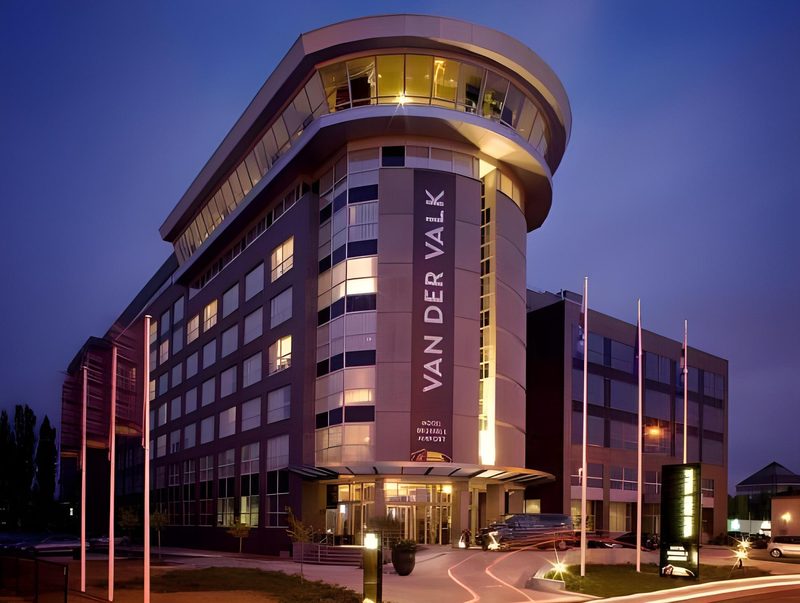
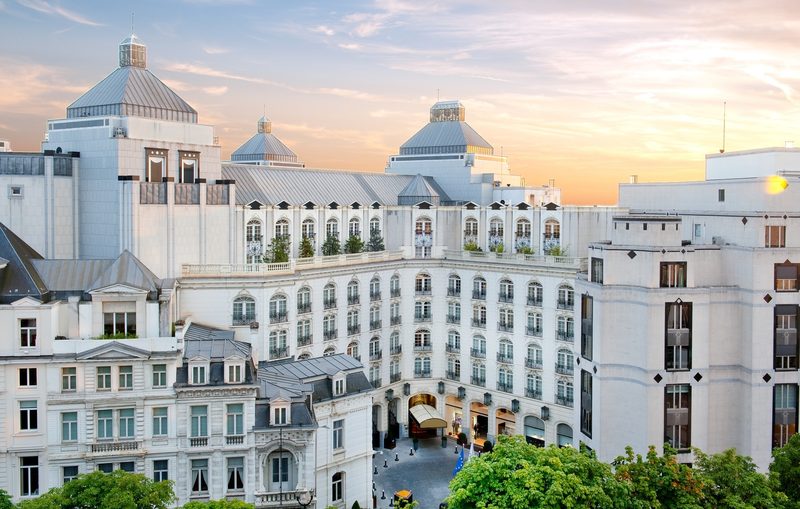
Hand-picked hotels across price tiers for January travellers.
Public Holidays in January
Dates that affect opening hours, transport and crowds
Nieuwjaar
Known in English as New Year's Day. Observed nationwide as a public holiday.
Nieuwjaar
Known in English as New Year's Day. Observed nationwide as a public holiday.
Packing Checklist
Bookmark this page — your progress is saved between visits
Need the full list with shopping links?
Climate-specific gear, brand recommendations, and what to leave at home.
View Belgium Packing List →Essential Tips
Insider knowledge and common pitfalls to avoid
Insider Knowledge
The frituren, Belgium's dedicated frite shops, are where locals eat frites. Skip the tourist-facing stands on the Grand-Place or Markt. In Brussels, the queue at Maison Antoine on Place Jourdan in the European Quarter is a reliable signal. In Ghent, look for the shops near Sint-Jacobs. The difference is in the double-frying technique and the beef tallow. This produces a shatteringly crisp exterior and a creamy interior. Tourist spots often use vegetable oil for speed. They cannot replicate the result. Order them in a paper cone with stoofvleessaus, the stew gravy. Or try andalouse sauce, a pinkish mayo-and-tomato emulsion that Belgians treat as a food group.
Belgian train passes cover the entire national network. They represent one of Europe's best rail values for a country this size. Brussels to Bruges takes roughly an hour. Brussels to Ghent runs under thirty minutes. Brussels to Antwerp takes about forty-five minutes. In January, trains run on time more reliably than in summer or during autumn leaf-fall season. The carriages are heated. Buy passes at the station counters rather than onboard. Weekend fares across Belgium are discounted.
The Belgian coast in January is not a mistake if you know what you are going for. Ostend's galleries and the Mu.ZEE modern art museum operate year-round. Walking the promenade in a proper jacket with the North Sea wind throwing salt spray against the concrete is an experience the summer beach crowds never get. The light along the coast in January, low and silver, is why painters like James Ensor lived in Ostend year-round. The Leopold II gallery, a covered promenade built to let the king walk to the hippodrome without getting wet, is still there. It remains useful for the same reason.
January is when Belgians eat their most interesting comfort food. The dishes you should seek out are not on tourist menus. Vol-au-vent, a puff pastry case filled with chicken, mushrooms, and cream sauce with small veal meatballs, is a brasserie staple. It sounds simple. It tastes like the Flemish version of a hug. Boulets a la liegeoise, Liege-style meatballs in a sweet-sour sirop de Liege sauce made from reduced apple and pear syrup, are specific to Wallonia. They are almost impossible to find outside Belgium. Ask for them in any Liege brasserie. The server will look at you with something approaching respect.
Avoid These Mistakes
Do not spend the entire trip in Brussels. Do not treat Belgium as a single-city destination. Brussels is the capital. Bruges, Ghent, and Antwerp each have distinct personalities. The train connections between them are so fast and frequent that there is no reason to stay rooted. Ghent is the one most travelers under-allocate time to. It has the food. It has the student energy. It has the Altarpiece of the Mystic Lamb. It draws a fraction of the tourists that Bruges pulls even in January.
Respect the beer. Belgian abbey and Trappist ales run between 8% and 12% alcohol, served in 330 ml glasses because you are not meant to drink them like pints. Two Tripels on an empty stomach at lunch and your afternoon museum plan evaporates. Eat first. Pace deliberately. Treat each beer as its own event rather than a round.
Pack for wet, not just cold. The specific misery of Belgian January is not the temperature, which rarely drops far below freezing in the lowlands. But the damp that accompanies it. Travelers from dry-cold climates like Colorado or the Alps routinely underdress because 3°C (37°F) at 70% humidity with wind feels substantially worse than minus 5°C (23°F) in dry still air. Waterproofing matters more than insulation.
Ready to plan your trip to Belgium?
Now that you've got the research covered, here's where to go next.