Things to Do in Belgium in February
February weather, activities, events & insider tips
Low Season · Budget Friendly
February Weather in Belgium
Temperature, rainfall and humidity at a glance
44°F (7°C)
High Temp
34°F (1°C)
Low Temp
2.6 inches (66 mm)
Rainfall
70%
Humidity
⚠ Wind chill drops the perceived temperature below freezing despite the thermometer reading 1-7°C (34-44°F). Exposed areas feel colder. The coast near Ostend, open squares, and flat Flanders countryside bite harder than sheltered city streets. Layer for the wind. Ignore the air temperature.
⚠ Black ice forms on cobblestoned streets and canal-side paths during overnight frosts, which occur on roughly a third of February nights. Medieval city centres like Bruges, Ghent, and Brussels' Ilot Sacre have polished stone surfaces. These become skating rinks when frozen. Walk carefully in the early morning. Let them thaw first.
⚠ February occasionally brings brief but heavy snowfall that disrupts rail and road networks for a few hours. SNCB trains slow or cancel on short notice during snow events. Check the SNCB app on the morning of any inter-city travel day. Have a flexible backup plan. Avoid tight connections.
Is February Right for You?
Weigh the advantages and considerations before booking
Advantages
- + Carnival season peaks in early February. Binche's UNESCO-listed celebration is one of the most extraordinary folk spectacles anywhere in Europe. Costumed Gilles hurl blood oranges through clouds of smoke from burning bengal fires along cobblestone streets that have hosted this ritual since the fourteenth century. You simply cannot see this any other month.
- + Belgium's museums, beer halls, and chocolate ateliers are built for exactly this kind of weather. February's thin crowds mean you can stand alone in front of Bruegel's Fall of the Rebel Angels at the Royal Museums of Fine Arts. You can linger over a spontaneous-fermentation lambic at Cantillon brewery without elbowing through tour groups. The country's best experiences are indoors. February is when you get to enjoy them.
- + Hotel rates across Brussels, Bruges, and Ghent drop noticeably from summer peaks. Availability that requires months of advance planning in July or August opens up with a week's notice in February. The same canal-view room in Bruges that books out by March for summer is likely sitting empty right now.
- + Winter is the real season for Belgian cuisine. Stoofvlees simmers for hours in dark abbey ale. Witloof gratin bubbles under béchamel in brasserie ovens across Wallonia. The grey-shrimp croquettes at old-guard establishments in Ostend taste richer when the North Sea wind is rattling the windows. February's cold demands heavy, warming food. Belgium does this better than almost anywhere.
Considerations
- − Daylight is scarce and precious. The sun rises around 8:00 AM and sets before 5:45 PM. This gives you fewer than ten hours of usable light. At least a third of those hours will likely be overcast. February will frustrate you if you need blue skies and golden light for photography.
- − The damp cold is a specific kind of unpleasant that the thermometer undersells. Seven degrees Celsius with Belgium's North Sea humidity and steady wind feels colder than minus five in dry continental air. It seeps through clothing layers that would be fine in Prague or Vienna at the same temperature. Dress for it deliberately. You will be miserable by noon otherwise.
- − Some seasonal attractions stay shuttered or run reduced hours. Certain canal boat tours in Bruges and Ghent operate on limited winter schedules or suspend entirely. A few smaller museums outside the major cities close on weekdays. The outdoor cafe terraces that define Belgian city life in summer are mostly stripped and tarped.
Best Activities in February
Top things to do during your visit
Belgium in February wears a particular grey that locals know by heart, a low pewter sky pressing close over gabled rooftops and cobblestone squares still damp from overnight frost. The air sits cool against exposed skin, hovering just above freezing at dawn and rarely climbing past single digits even by afternoon. Drizzle arrives without warning and lingers without apology, misting the glass facades of Brussels' Art Nouveau townhouses and slicking the medieval canal bridges of Bruges until they gleam like wet slate. This is not the Belgium of summer terrace season, when every Grand Place cafe chair faces the sun. February belongs to the indoors: to wood-paneled brasseries where condensation fogs the windows, to museum halls where your footsteps echo because the tour groups have not yet arrived, to the warm yeasty exhale of a bakery door swinging open onto a cold Flemish street. February strips away color and returns intimacy. The great squares of Ghent, Antwerp, and Brussels operate at a human pace, emptied of the crowds that pack them from April through October. You can stand alone before the Adoration of the Mystic Lamb in Ghent's St Bavo's Cathedral and hear nothing but the creak of old floorboards. You can walk the length of the Galeries Royales Saint-Hubert in Brussels with room to crane your neck at the arched glass ceiling without a stranger's elbow in your ribs. Belgium's food culture, always central to the national identity, becomes the organizing principle of a February visit: a city like Brussels structures your day around meals because the weather makes lingering over them the most rational choice. Moules are out of season, but stoofvlees, the Flemish beef stew braised in dark abbey ale until the meat dissolves against your fork, reaches its richest form now, ladled out in cast-iron pots alongside twice-fried frites with a crunch that gives way to a floury, steaming center. Chocolate shops in the Sablon district fill the cold air with the roasted bitterness of couverture being tempered on marble slabs. The country runs on pralines and strong coffee when the temperature drops, and February obliges. Rain is a companion rather than an obstacle. Roughly ten days of the month see measurable precipitation. But much of it arrives as a fine mist that barely warrants an umbrella, let alone a change of plans. Snow flurries are possible but rare and seldom stick below the Ardennes. The practical upside of visiting Belgium in February is tangible: accommodation rates drop well below peak-season levels, restaurant reservations materialize on the same day, and the train network connecting Brussels, Bruges, Ghent, and Antwerp runs the same efficient schedule year-round, meaning a multi-city trip remains well viable even in the shortest month.

European Quarter Comedy Tour
entertainmentA comedian-guide walks you past the Berlaymont building's curved facade, through the corridors of Parc du Cinquantenaire where joggers weave around the triumphal arch, and into the peculiar subculture of eurocrats, lobbyists, and translators who inhabit this quarter, mining it all for laughs that land harder because you are standing in the place being skewered. The humor is observational and specific to Brussels, rooted in the genuine absurdities of a city that hosts three competing governments and communicates in at least four languages before lunch.
A walking comedy show that turns the European Quarter's institutional solemnity into sharp satire, giving you Brussels backstory you would never absorb from a guidebook.
Insider tip: The route covers open ground around the EU buildings where cold wind funnels between the towers in February, so wear a windproof layer even if the temperature seems mild when you set out.

Navigate through Brussels and Discover Beer and Chocolate
otherYou move through the narrow lanes around the Grand Place, ducking into artisan chocolate ateliers where the smell of roasting cacao hangs thick and sweet in the heated air, then onward to traditional beer cafes with their sticky wooden tables and chalkboard menus listing Trappist ales, gueuzes, and krieks that fizz tart and cherry-red in tulip glasses. The pairing of tastes, bitter dark ganache against a sip of dubbel with its caramel and dried-fruit depth, is orchestrated with real knowledge of Belgian craft traditions rather than tourist-trail grazing.
A curated route through Brussels that pairs chocolate tastings and Belgian beer in the settings where they are made and served, connecting flavor to the city's craft heritage.
Insider tip: Request the guide's recommendation for a lambic beer during the tasting. The spontaneously fermented styles brewed in the Senne valley near Brussels are harder to find outside Belgium and taste sharply different from anything available back home.
This month: February's cold makes the contrast between the chill outside and the warm interiors of tasting stops sharp. Stepping from a frozen street into a chocolate atelier where tempered couverture radiates heat from the worktable is a sensory jolt unique to winter visits.

Brussels Private Family Tour: Highlights, Tasting and Museum
culturalThe route opens at the Grand Place, where the gilded guild houses catch whatever pale light February offers, moves through the comic-strip murals painted onto building walls throughout the city center (Tintin mid-stride on a Rue de l'Etuve facade, Lucky Luke on a warehouse gable near the canal), and folds in chocolate sampling calibrated to keep younger travelers engaged between the historical stretches. A museum stop, typically the Belgian Comic Strip Center housed in a Victor Horta-designed Art Nouveau department store with sinuous ironwork and a soaring glass atrium, provides indoor shelter and genuine visual spectacle.
A private, pace-flexible tour that weaves Brussels' comic-art heritage, food tastings, and architectural landmarks into a route that holds the attention of both adults and children.
Insider tip: Ask the guide to include the Zinneke Pis and Jeanneke Pis statues alongside the famous Manneken Pis. Children find the trio hilarious, and the detour passes through quieter streets where you can hear the clatter of kitchen prep behind restaurant service doors.

Daily tour of Brussels Lower Town and Upper Town
guided_experienceThe tour moves from the Grand Place's flamboyant Gothic town hall, where carved saints peer down from niches darkened by centuries of soot and rain, up through the Sablon district's antique dealers and patisseries to the neoclassical Royal Palace and the green copper dome of the Palace of Justice, still wrapped in perpetual scaffolding. The elevation change between the two towns is modest but the shift in atmosphere is immediate: cobblestones give way to wide boulevards, the smell of frying oil from friteries yields to the polished-wood scent of antique shops.
A guided walk that uses Brussels' literal split-level geography to tell the story of a city shaped by class, commerce, and political power, covering both halves in a single outing.
Insider tip: Wear shoes with solid grip. The steep connecting streets between Lower and Upper Town collect moisture from drizzle and overnight frost in February, and the worn cobblestones near the Coudenberg can be slippery underfoot.

Brussels Highlights and Secrets: Private Tour with Beer Stop
private_tourThe guide opens doors, sometimes, into covered galleries and interior courtyards where Art Nouveau ironwork spirals above tiled floors, and where the muffled sound of the street outside disappears into the hush of spaces most visitors walk past without noticing. The beer stop anchors the tour's midpoint at a traditional Brussels cafe, the kind with etched glass partitions, brass taps, and a menu that runs to dozens of abbey and Trappist ales served in their proper branded glassware, each shape engineered to direct aroma differently toward the nose.
A private tour that earns its name by showing lesser-known interiors and backstreet details alongside the famous sites, capped with a properly curated Belgian beer tasting.
Insider tip: Tell the guide your beer preferences before the stop. They can steer you toward a kriek or a faro if you prefer tart and fruity, or a Westmalle Tripel if you want something golden, warming, and strong enough to take the February chill off from the inside.
This month: The early sunset in February means afternoon light fades quickly. Starting by one o'clock ensures you see the outdoor architectural details in daylight before moving to the warmth of the beer stop as the sky darkens.

Brussels Off the Beaten Path: Private Local Walking Tour
walking_tourThe walk pushes into Saint-Gilles, past Horta's own house with its spiraling staircase visible through the ground-floor window, and through streets where Congolese grocers, Portuguese bakeries, and Turkish tea houses sit shoulder to shoulder, each doorway releasing a different wave of scent: palm oil and smoked fish, custard tarts, cardamom-laced chai. This is the Brussels that residents live in, a city of overlapping immigrant communities and stubbornly local rituals that the central tourist corridor does not represent.
A walking tour that pulls you out of the historic center and into the residential neighborhoods where Brussels' layered, multilingual, multicultural daily life develops.
Insider tip: The Marolles flea market runs every morning but is largest and most interesting on weekends. If your tour falls on a weekday, ask the guide to detour through the Parvis de Saint-Gilles instead, where the cafe terraces (heated and enclosed in February) offer some of the best people-watching in the city.
Explore More Activities in Belgium
Didn't see anything interesting yet?
Browse Viator's full catalog of tours, day trips, food experiences, and private guides in Belgium.
See All Belgium Tours on ViatorWhere to Stay in Belgium in February
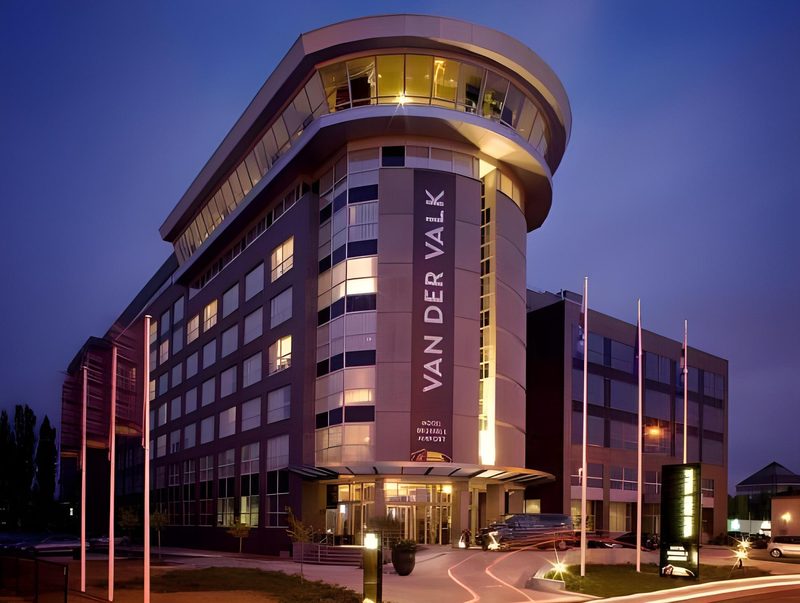
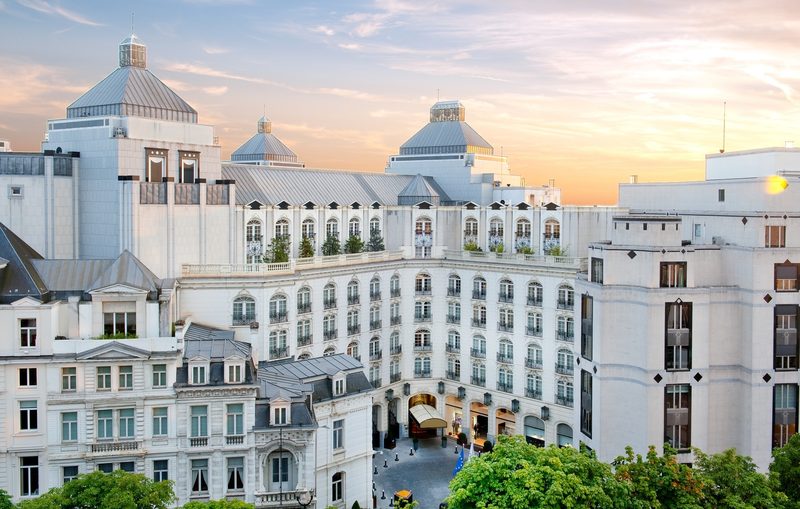
Hand-picked hotels across price tiers for February travellers.
Packing Checklist
Bookmark this page — your progress is saved between visits
Need the full list with shopping links?
Climate-specific gear, brand recommendations, and what to leave at home.
View Belgium Packing List →Essential Tips
Insider knowledge and common pitfalls to avoid
Insider Knowledge
The Belgian rail system, SNCB, sells a ten-journey pass that works on any route and is transferable between travelers, which makes it significantly cheaper than individual tickets for a couple or group hopping between Brussels, Bruges, Ghent, and Antwerp over several days. Buy it at any staffed station counter. The trains themselves are punctual by continental standards and heated well enough that February commutes are comfortable. But the smaller rural stations have no indoor waiting areas, so time your arrival rather than lingering on a wind-exposed platform.
Sunday mornings are when Belgians go to bakeries, not church, and the window between 8 and 10 AM on a February Sunday in any Belgian city is when you see the real neighbourhood life: families queuing for cramique (a brioche-style bread studded with sugar pearls) and couques au beurre at their local bakker, still in half-zipped coats with bed hair, while the rest of the tourist infrastructure has not stirred. Find the bakery with the longest local queue and buy whatever they are buying.
Belgian supermarkets stock a better beer selection than most dedicated bottle shops in other countries. A Delhaize or Colruyt will have fifty to eighty Belgian beers on the shelf, including Trappist ales and regional lambics, at retail rather than bar prices. For a rainy February afternoon, buying a mixed selection and tasting your way through them in your hotel room is one of the better ways to learn Belgian beer culture without the noise and markup of a tourist-oriented beer bar.
Tipping in Belgium is neither expected nor customary in the way it is in North America. Service is included in the bill by law. Rounding up an euro or two on a cafe bill is a polite gesture, not an obligation, and nobody will give you a dirty look for paying the exact amount. Save your anxiety for the actual challenge of Belgian dining etiquette, which is remembering that frites are eaten with mayonnaise, not ketchup, and that asking for ketchup at a frituur is the surest way to mark yourself as a tourist.
Avoid These Mistakes
Spending the entire trip in Brussels and treating it as a proxy for Belgium. Brussels is a great city. But it is the least Belgian place in Belgium, a multinational EU-capital hybrid that tells you almost nothing about Flemish culture, Walloon identity, or the country's regional food traditions. You need Bruges, Ghent, or Antwerp for Flanders and Dinant, Liege, or Namur for Wallonia. The trains between them take thirty to ninety minutes and run frequently.
Underestimating how cold the dampness feels and packing for the thermometer reading rather than the wind chill. Seven degrees with North Sea humidity and a steady breeze feels like negative five in dry cold. First-time visitors from continental climates regularly show up underdressed and spend their first day buying emergency layers at Primark rather than visiting the Magritte Museum.
Treating Belgian waffles as a single thing. There are two entirely different traditions: the Brussels waffle, rectangular and crispy with deep pockets, designed to hold toppings, and the Liege waffle, irregular-shaped, denser, sweeter from pearl-sugar caramelised into the dough, eaten plain from the hand. The tourist carts near Manneken Pis selling floppy waffles buried under whipped cream and Nutella are serving neither tradition well. A proper Liege waffle from a good bakery or frituur, still warm, the sugar crunching between your teeth, needs nothing on it.
Ready to plan your trip to Belgium?
Now that you've got the research covered, here's where to go next.